Gabon took a prominent role on Friday, 5 December 2025, at the 60th Ministerial Meeting of the United Nations Standing Advisory Committee on Security in Central Africa, held in Malabo, Equatorial Guinea, reaffirming its dedication to regional peace and cooperation.
Represented by François Ndong Obiang, Minister of Reform and Relations with Institutions, who is also acting Minister of Foreign Affairs, Gabon highlighted its ongoing commitment to promoting stability, peace, and enhanced collaboration across the sub-region, according to a statement from the Ministry of Reform and Relations with Institutions.
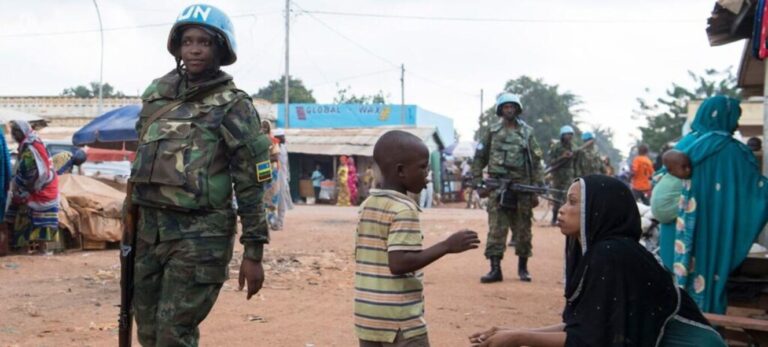
During the meeting, Libreville stressed its readiness to work closely with the United Nations and fellow Central African states to strengthen a sustainable security environment, particularly in the face of persistent challenges related to governance, border security, and the threat posed by armed groups.
“The Gabonese delegation underscored the importance of collective action to prevent conflicts and consolidate regional stability,” the ministry’s communicatiion said, reflecting the country’s long-standing approach to security in Central Africa.
Gabon has been a regular participant in the work of the UN Standing Advisory Committee on Security in Central Africa, a key forum for dialogue where member states address pressing security concerns and reinforce strategies for conflict prevention.
Over the years, Gabon has consistently used this platform to reaffirm its role as a stabilizing actor in the region.
The latest meeting comes amid a backdrop of ongoing security challenges in Central Africa, including cross-border tensions, governance issues, and the activity of armed groups.
Gabon’s engagement signals both a commitment to multilateral solutions and a proactive approach to fostering durable peace.
By actively participating in such regional and international frameworks, Gabon aims to ensure that cooperation and coordinated action remain at the heart of efforts to secure the sub-region, safeguarding both national and regional stability for the future.



About The Author