Cameroon’s Electoral Commission (ELECAM) has confirmed a record-breaking 81 applications for the country’s upcoming presidential election, scheduled for 12 October 2025.
The unprecedented number of contenders marks the highest in the nation’s history, reshaping the political landscape and posing significant logistical hurdles for the poll’s organization.
ELECAM announced the final tally after the deadline closed at midnight on 21 July.
The extraordinary turnout, which surged in the final hours before the deadline, far surpasses the figures recorded in any previous Cameroonian presidential election.
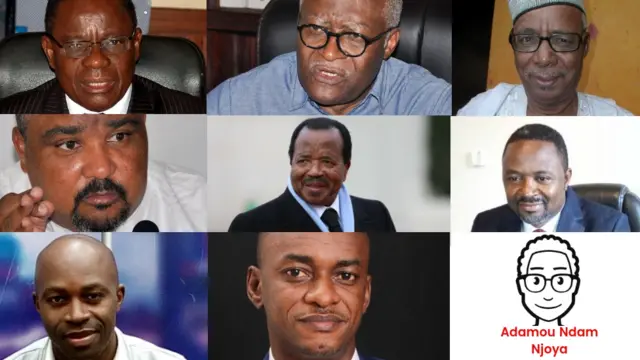
The wave of submissions includes veteran politicians, first-time hopefuls, and a flood of independent candidates, many of whom filed their paperwork in a last-minute rush. Political analysts say the surge underscores an extraordinary level of mobilization but raises questions over the credibility and seriousness of some candidacies.
“Never in Cameroonian electoral history have we recorded such democratic participation,” observers noted, describing the development as a moment that will “completely redistribute the electoral maps” ahead of October’s vote.
The record field of candidates presents a daunting operational challenge for ELECAM. The Commission will need to manage unprecedented logistical demands, from producing extensive ballot papers to coordinating polling across the nation.
Financial concerns also loom large. Each applicant is required to submit a non-refundable deposit of 30 million FCFA, amounting to a collective total of 2.43 billion FCFA for all 81 contenders.
The Constitutional Council now faces the task of scrutinizing each submission within the statutory 60-day window to ensure compliance with constitutional requirements.
This surge of candidates signals a historic moment for political pluralism in Cameroon, transforming the 2025 presidential race into a contest of unparalleled scale.
However, with questions lingering about the motives and viability of many hopefuls, the election is expected to test both the country’s electoral machinery and its democratic resilience.



About The Author