Africa’s Malaria crisis deepens as Nigeria, DR Congo and Niger account for nearly half of all deaths
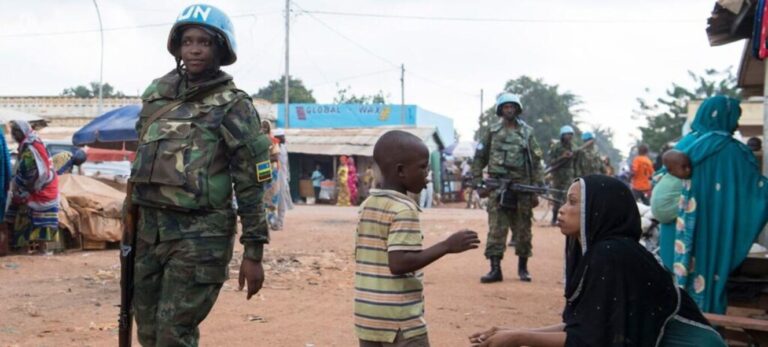
The latest global data has cast a stark light on the escalating malaria emergency gripping the African continent, revealing that Nigeria, the Democratic Republic of Congo (DR Congo) and Niger now account for almost half of malaria-related deaths in Africa — a region that registers more than 95% of the world’s fatalities from the disease.
Malaria, transmitted through the bite of infected mosquitoes, remains one of Africa’s most persistent health threats.
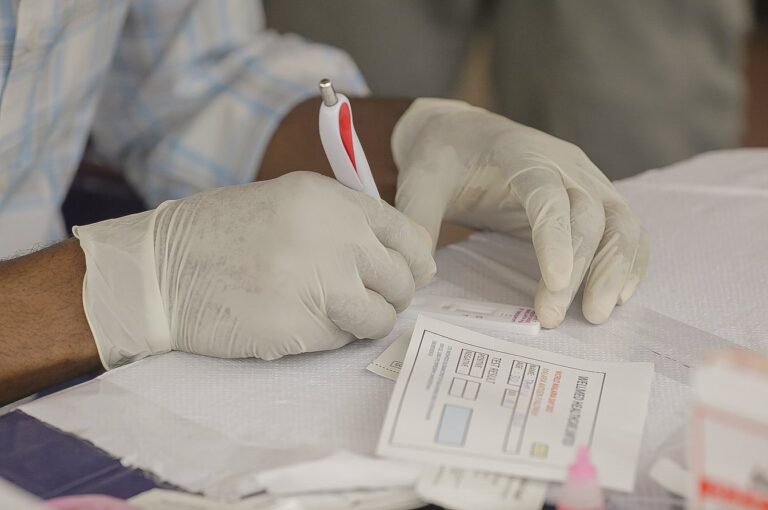
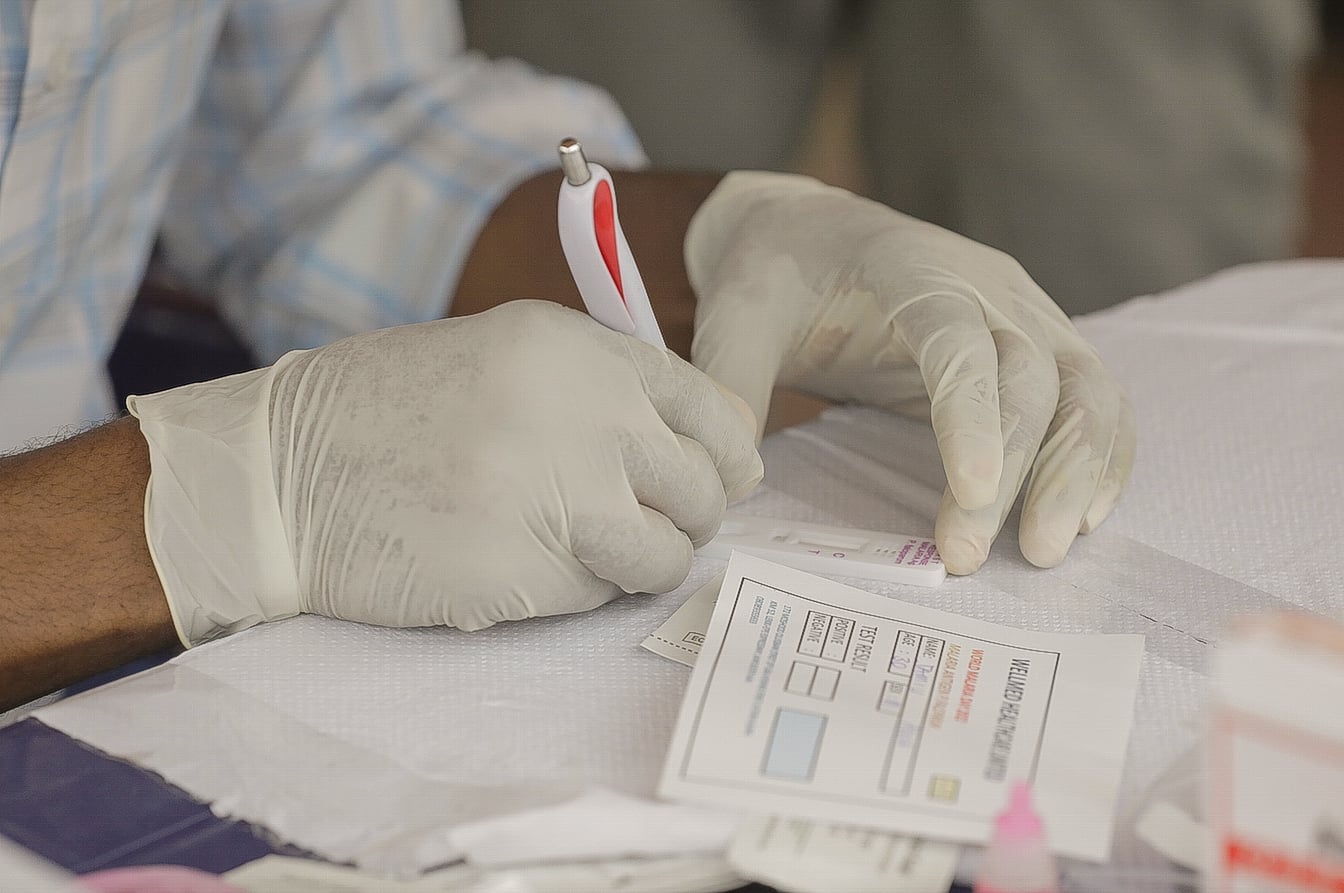
Despite decades of prevention campaigns, including bed-net distribution, rapid testing and improved treatments, the parasite continues to circulate widely in communities where health systems struggle to contain its advance.
Fever, anaemia and severe complications remain common, especially in regions with limited access to medical care.
Fresh figures released by the World Health Organization (WHO) confirm an alarming setback in global malaria control.
The report highlights that infections are surging at a “sustained pace”, with the burden falling overwhelmingly on three countries: Nigeria, DR Congo and Niger.
Nigeria alone represents nearly one-third of the continent’s malaria deaths, while DR Congo and Niger follow closely behind, forming a trio at the centre of the most severe trends.
Hospitals across these countries routinely find themselves overwhelmed, particularly during peak transmission seasons.
Children under five remain the most vulnerable group, accounting for the majority of malaria deaths in Africa.
Their continued susceptibility underscores the gap between existing prevention tools and the scale of the challenge facing hard-hit populations.
According to WHO estimates, global malaria cases rose to roughly 282 million this year — several million more than the previous year.
Deaths are expected to reach around 610,000 in 2024, with Africa shouldering 95% of the total.
Despite government efforts and support from international partners, the report indicates that the current trajectory is moving in the wrong direction.
A key factor behind this resurgence, the WHO warns, is insufficient funding. Investments in malaria control reached about $3.9 billion in 2024, far below the $9.3 billion target set for 2025.
This financial shortfall has slowed essential interventions, particularly in countries with the highest mortality rates.
When distribution campaigns for mosquito nets stall or treatment programmes fall behind schedule, rural and peri-urban communities quickly become exposed to rising transmission.
The WHO cautions that without greater support, countries already struggling with high mortality could see their health indicators deteriorate further, undermining progress made elsewhere on the continent.
Nigeria, DR Congo and Niger remain at the heart of the crisis, and the concentration of deaths in these nations illustrates the need for targeted and sustained action.
Any improvement in these high-burden states would immediately influence the continent’s overall results; any decline would risk reversing gains achieved in other regions.
Although malaria is both preventable and treatable, the recent findings are a reminder of how fragile progress remains.
Reducing inequalities in healthcare access, strengthening health systems and securing stable long-term financing are essential steps to easing the toll of one of Africa’s deadliest diseases.



About The Author

dailymailafric
I am an avid African news observer, and an active member of Daily Mail Africa.
I’m Passionate about staying informed on diverse topics across the continent,
I actively contribute to publishing on political, economic and cultural developments in Africa.